
Users who stay in the app
We optimize campaigns toward in-app events (registrations, purchases, level completions). This ensures the budget attracts users who create real business value.
We grow downloads, active users and in-app engagement for your mobile application through Google UAC, Meta App Campaigns and ASO strategies. Optimized for low cost-per-install and high-quality users who stay active.
Lower CPI
Specialists in mobile app promotion: Google App Campaigns, Meta App Install Ads and App Store Optimization. Results measured in installs, retained users and revenue.
Mobile app advertising requires a fundamentally different approach from web advertising. Success is measured in installs, activation rates, Day-7 and Day-30 retention, and ultimately the lifetime value of acquired users. At DAFE Digital, we build mobile app marketing strategies that attract high-quality users - people who download, use and return to your app repeatedly.
Our mobile app promotion approach covers the full user acquisition funnel: App Store Optimization (ASO) to improve organic visibility, Google App Campaigns (UAC) for intent-driven installs, Meta App Install Ads for audience-targeted acquisition, and retargeting campaigns to re-engage dormant users. We integrate deep link tracking and in-app event measurement to understand which campaigns drive users who actually convert within the app.
We have experience growing mobile apps across categories including e-commerce, food delivery, health & fitness, finance, education and local services. Whether you are launching a new app or scaling an established one, we provide transparent reporting on the metrics that matter for your specific business model - from CPI and ROAS to D30 retention and in-app purchase conversion rate.
The app stores are increasingly competitive. Organic discovery alone is no longer enough to grow a mobile app sustainably.
We optimize campaigns toward in-app events (registrations, purchases, level completions). This ensures the budget attracts users who create real business value.
Integration with AppsFlyer, Adjust, Firebase or similar MMPs for attribution across all channels. You see which campaigns drive the highest-LTV users and optimize accordingly.
App Store Optimization improves your app's visibility in App Store and Google Play search results. We optimize title, subtitle, keywords, screenshots and ratings to maximize organic installs - the lowest-cost acquisition channel.
Clear reports tracking installs, CPI, retention rates, in-app conversions and revenue attribution. We translate technical metrics into actionable business insights every month.
A multi-channel approach to app growth covering discovery, acquisition and re-engagement across all major platforms.
Google's AI-powered campaign type that serves ads across Search, Play Store, YouTube, Gmail and Display simultaneously. Provide creative assets (text, image, video) and Google's algorithm finds the optimal combination to drive installs or in-app actions at target CPA.
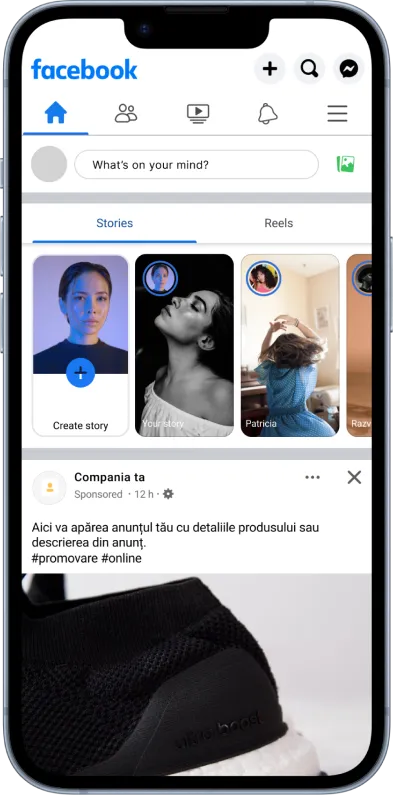
Facebook and Instagram app install campaigns with granular audience targeting: demographics, interests, custom audiences and lookalikes built from your highest-LTV users. Effective for apps with a strong visual identity and social sharing components.
Ongoing optimization of your App Store and Google Play listing: keyword research and metadata optimization, screenshot and preview video A/B testing, review generation strategy and competitive analysis. ASO compounds over time into a powerful organic growth engine.
Ads appearing at the top of App Store search results when users search for apps like yours. Highest intent of any app acquisition channel - users are actively looking for an app solution. Particularly effective for utility, finance and productivity apps.
Campaigns targeting users who installed but became dormant. Deep-link ads that take users directly to the relevant in-app screen, personalized by last action or user segment. Re-engagement is typically 3–5× cheaper than new user acquisition.
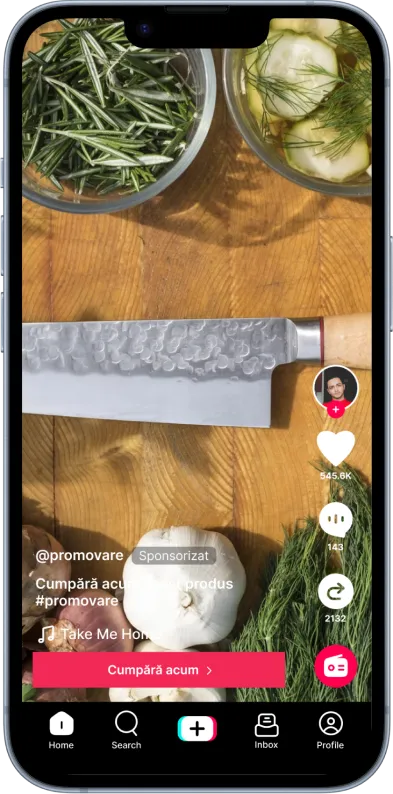
For consumer apps targeting younger demographics, TikTok's app install campaign format delivers strong CPI at scale. Native creative formats blend into the feed naturally, driving high install intent from engaged audiences in the 18–35 age bracket.
A structured approach from audit to scale, focused on sustainable user acquisition and retention.
We audit your current ASO, ad accounts and analytics setup. We identify gaps in measurement, highest-opportunity acquisition channels and target user profiles. We build a 90-day growth plan.
We configure or audit your MMP (AppsFlyer/Adjust/Firebase), set up in-app event tracking and deep link attribution. We build campaigns optimizing toward the most meaningful in-app conversion events.
We launch campaigns and monitor CPI, install-to-event rates and early retention signals daily. We rapidly iterate on creative, audiences and bidding to lower CPI and improve user quality.
Monthly review of D7, D14 and D30 retention cohorts by campaign source. Identify which creative and audience combinations drive the highest-retaining users and scale them. Refresh ad creative regularly to combat fatigue.
We continuously test creative variations - hooks, formats, UGC vs branded - and refresh assets before ad fatigue sets in. On Meta, fresh creatives every 3–4 weeks keep CPI stable and performance from plateauing.
With proven campaign formulas, we scale budgets on top-performing channels, expand to new geographies and test new formats (video, playable, UGC). We build lookalike audiences from your best retained users to fuel continued growth.
30 · 60 · 90
A transparent view of the app growth journey from first campaigns to optimized, scalable acquisition.
Measurement audit, MMP setup, campaign launch across 1–2 priority channels. Initial data collection across creative and audience segments.
Results: tracking verified, first installs acquired, baseline CPI established, initial in-app event data collected.
Optimization toward in-app events, creative A/B testing, audience expansion and first retention cohort analysis.
Results: lower CPI, improved install-to-activation rate, identification of highest-LTV audience segments.
Campaigns fully optimized with predictable CPI, validated user quality signals and scalable creative frameworks.
Results: stable CPI with improving user quality, D30 retention benchmarks established, clear ROAS data for confident budget scaling decisions.
Let's build a mobile app marketing strategy that drives high-quality installs and retained users. Free consultation, no obligations.
You, too, can turn these problems into profitable results. See how we solved real challenges for real clients.
We implemented Google Local Services Ads campaigns and optimized the website for conversions, turning online presence into the main source of clients.
We started from zero with Adela on Google Ads and Meta Ads. After the initial discussion, she took care of all the setup and within a week we saw the first results. Sales grew steadily and demand became greater than we could deliver. A professional who gets the job done quietly - you don't see them but you definitely feel them in the sales figures.

Working with Adela started with a Meta Ads test. Although the first leads weren't ideal, she reacted quickly and proposed a strategic shift to Google and LinkedIn Ads - a decision that significantly optimized cost per lead and conversion. She professionally managed remarketing, contributing to a 15–20% increase in conversion rate. The most valuable part? She understood our specifics perfectly and worked proactively.

Complete answers to the most common questions about promoting mobile apps
Mobile app advertising cost depends on the platform, targeting, creative quality and competitiveness of your app category. Typical benchmarks:
Cost per install (CPI) ranges:
•Google App Campaigns: $0.50–$3.00 per install (average)
•Meta App Install Ads: $0.80–$4.00 per install
•Apple Search Ads: $0.50–$2.50 per install
•TikTok App Ads: $0.60–$2.50 per install
Higher-value app categories (finance, B2B SaaS, medical) often see higher CPIs but proportionally higher LTV per acquired user.
For most apps, a modest test budget spread across a couple of channels is enough to generate meaningful data for optimization. Once campaigns are proven, budgets can scale based on ROAS or CPI targets.
ASO (App Store Optimization) is a one-time and ongoing investment separate from ad spend that reduces your long-term blended CPI by driving organic downloads.
App Store Optimization (ASO) is the process of improving your app's visibility and conversion rate in the App Store (iOS) and Google Play (Android) organic search results.
ASO consists of two key areas:
1. On-metadata optimization (directly controlled):
•App title: most important ranking factor - include primary keywords
•Subtitle/short description: secondary keyword placement
•Keyword field (iOS) / long description (Android): comprehensive keyword strategy
•Screenshots and preview video: conversion rate optimization for store listing
•App icon: visual identity and click-through rate in search results
2. Off-metadata signals (earned):
•Download velocity: more installs signal relevance to the algorithm
•Ratings and reviews: average rating and volume directly impact ranking
•Engagement metrics: crash rate, daily active users signal quality to stores
Why ASO matters for paid app campaigns: When you drive paid installs, increased download velocity directly improves your organic ranking. This means paid campaigns boost organic visibility too - creating a compounding growth effect. Well-optimized ASO can account for 60–70% of total app downloads.
Google App Campaigns (UAC) and Meta App Install Ads are the two dominant paid channels for app user acquisition. They differ significantly:
Google App Campaigns (UAC):
•Placement: Google Search, Google Play store search, YouTube, Gmail, Display Network
•Targeting: AI-driven - you provide assets and let Google find the right audience
•Best for: capturing existing demand (people searching for your app category)
•Measurement: integrates natively with Firebase; strong for intent-based audiences
•Creative: text headlines, images and video assets; algorithm determines best combo
Meta App Install Ads:
•Placement: Facebook, Instagram, Audience Network
•Targeting: Highly flexible - demographics, interests, custom audiences, lookalikes
•Best for: demand generation for apps without established search volume
•Measurement: requires Meta SDK or MMP integration
•Creative: image, carousel, video; creative quality has major impact on performance
Recommendation: Start with Google UAC if your app category has search demand. Add Meta for lookalike audience scaling and creative testing. For consumer apps (especially social, lifestyle, entertainment), Meta often outperforms Google on CPI.
Reducing CPI requires optimization across multiple dimensions simultaneously:
1. Creative optimization:
•A/B test multiple creative formats: video vs static, lifestyle vs product, UGC vs branded
•Identify the creative hook that drives the highest install intent
•Refresh creatives regularly to prevent ad fatigue (especially on Meta)
2. Audience refinement:
•Build lookalike audiences from your highest-LTV users (not just any installer)
•Exclude audiences with high install but low retention (valuable negative signal)
•Use interest and behavioral layering to improve audience quality
3. Bid strategy optimization:
•Shift from install-optimized bidding to in-app event optimization once enough data exists
•Optimize toward actions that predict long-term value (e.g., registration, first purchase)
•Use ROAS bidding if revenue data is reliably attributable
4. ASO improvements:
•Better store listing conversion rate means more installs from the same ad traffic
•Even a 10% improvement in store conversion rate effectively reduces CPI by 10%
5. Attribution accuracy:
•Ensure your MMP is correctly attributing installs to campaigns
•Identify and exclude fraudulent traffic sources
Through professional campaign management we steadily reduce cost per install as the data accumulates.
The timeline for mobile app campaign results follows a predictable pattern:
Week 1–2: Measurement verification and first installs
•Verify attribution is working correctly
•Initial installs at higher CPI as algorithm learns
•Set up in-app event tracking for meaningful optimization signal
Week 3–4: First optimization signals
•Algorithm begins optimizing toward install patterns
•CPI starts stabilizing
•First in-app event conversion data available
Month 2: Meaningful optimization
•Shift bidding toward in-app events
•CPI trending down vs launch
•First D7 retention cohort data for quality assessment
Month 3: Scalable campaigns
•CPI predictable and optimized
•D30 retention benchmarks established
•Clear ROAS data for budget scaling decisions
For apps with existing organic downloads and analytics data, this process can be accelerated significantly. For brand new apps with no historical data, allow 90 days for fully optimized campaigns.
Install counts alone are a vanity metric. We measure user quality through downstream events:
Activation metrics (Days 0–3):
•Registration completion rate
•Onboarding completion rate
•First meaningful in-app action (first search, first purchase, first session completion)
Engagement metrics (Days 7–30):
•Day-1, Day-7, Day-30 retention rates
•Sessions per user per week
•Feature adoption rate
•Push notification opt-in rate
Revenue metrics (ongoing):
•In-app purchase conversion rate
•Average revenue per user (ARPU)
•Lifetime value (LTV) estimates by cohort and campaign source
•Return on ad spend (ROAS) when revenue is attributable
We integrate with your existing MMP (Mobile Measurement Partner) such as AppsFlyer, Adjust, Branch or Firebase to pull this data into our reporting. This lets us directly compare user quality between campaigns, creatives and audience segments - and optimize budget allocation toward the sources driving the most valuable users.
Yes, Romania is a growing mobile market with strong smartphone penetration (over 85% of the population owns a smartphone) and increasing app usage across all categories.
Key data points for Romania:
•Google Play and App Store both have strong local user bases
•Lower CPI compared to Western Europe: typically 40–60% cheaper per install
•Growing categories: food delivery, e-commerce, fintech, health & fitness, mobility
•Romanian users respond well to localized creative and copy
Our experience in Romania:
•We have run app install campaigns for Romanian-market apps across multiple categories
•We understand local audience targeting options on Google and Meta for Romanian users
•We optimize creative and messaging for Romanian cultural context
•We have experience with Romanian language app store optimization
For apps targeting both Romanian and international markets, we can structure separate campaign strategies for each geography with appropriate bidding, creative and ASO optimization per market.
To get started effectively, we need:
Essential (to launch):
•Access to your Google Ads and/or Meta Ads account
•App store listing URLs (App Store + Google Play)
•Creative assets: at minimum 3–5 headlines, descriptions, 2–3 images and 1 video (even a simple screen recording)
•Target CPI or CPA goal
•Basic measurement setup (Firebase, or willingness to set up)
Highly recommended (to optimize properly):
•Mobile Measurement Partner (MMP) integration: AppsFlyer, Adjust or Branch
•In-app events defined and tracked: registration, first purchase, subscription, etc.
•Existing analytics data: current organic install numbers, retention rates if available
•User LTV data or estimates by user segment
Nice to have (for advanced optimization):
•Customer lists (emails or MAIDs) of highest-LTV users for lookalike targeting
•A/B tested screenshots and videos from previous campaigns
If you are missing any of these, we help you set them up as part of onboarding. A proper measurement foundation is the most critical investment for app marketing success - without it, optimization is largely guesswork.
Written by Adela Mincea, DAFE Digital, Google Partner certified.
Last updated: May 2026
Optimization toward in-app events and user quality signals progressively reduces wasted spend while increasing the share of installs that convert to active, revenue-generating users.