Google Ads
What a Google Ads click costs in Germany, the UK and the US
Google's bid estimates put the same click at about 3.6 times Romania's level in Germany, 5.9 times in the UK and 10 times in the US.
Adela Mincea15 September 20266 min
Founder and performance marketing strategist · DAFE Digital
ANC Certified Trainer
Founder and performance marketing strategist with 10+ years of experience in Google Ads, Meta Ads, LinkedIn Ads and Microsoft Ads for international businesses across Europe, the US and Asia. She founded DAFE Digital in 2023, after agency roles in London and Hong Kong and independent consulting across 27+ industries. Across that career and DAFE's client accounts since, she has personally managed eight figures in USD paid media spend.
Google's bid estimates put the same click at about 3.6 times Romania's level in Germany, 5.9 times in the UK and 10 times in the US.
Campaigns switched on in Black Friday week pay for heavily contested ad space while still learning who buys. What to set up, and when.
On August 17, Google changed bidding for budget-limited campaigns. Cost per sale now rises toward the target you set. What changed and what to do about it.
Google Ads reports fewer conversions than your real orders. The cause is consent. How Consent Mode v2 works, the modeling threshold, and how to fix it.
An online marketing agency is judged on profit, not reports. What it does, how it prices in Romania, and how to choose one that drives sales.
A practical guide for Romanian online stores: how to set up targeting, use catalog ads and build retargeting in Facebook Ads to drive sales, not just traffic. The concrete steps and the mistakes that burn budget.
The product feed is the file in Google Merchant Center that describes each product to Google: title, description, GTIN, price and availability. Without a correct feed, a Google Shopping campaign has nothing to bid on. Here are the mandatory fields and the most common errors that pull your products out of the auction.
Google Merchant Center is the free platform where you upload your product catalogue (the feed) so it can appear in Google Shopping and online-store ads. It does not run campaigns on its own, it feeds the data behind every product shown, with image, price and availability. Without a correctly set up Merchant Center account, your products simply cannot appear in shopping results.
PPC (pay-per-click) is the advertising model where you pay only when someone clicks your ad, not for the impression. The position you appear in is not bought directly with money, it is decided by an auction where your bid and the quality of the ad both count, not budget alone. It runs on Google, Meta, LinkedIn and YouTube, and the only number that decides whether it pays off is the cost per profitable customer, not the price of the click.

A B2B SaaS appears in AI recommendations through three different currencies, review presence on recognised platforms (G2, Capterra), mentions in best tools for X articles, and fresh comparison pages the engines can cite. ChatGPT picks you on authority and reviews, Perplexity on structured pages citable in real time, Google AI on structured data and classic SEO. There is no product feed like in e-commerce.

The cost of acquiring a SaaS customer is judged by payback period, CAC divided by monthly gross profit per customer (the monthly subscription adjusted by gross margin). A healthy B2B SaaS recovers its acquisition cost in under 12 months and runs an LTV:CAC ratio of at least 3:1. Below those thresholds, every new customer consumes more than it brings, and growth burns your cash.

Lead generation captures demand that already exists (high intent, limited volume), demand generation creates it (builds future pipeline). Cheap leads are usually low-intent and never convert, so what matters is cost per qualified pipeline, not cost per lead. Optimise for the cheapest lead and you fill the pipeline with contacts that never buy.

Four ways to run paid media, do-it-yourself, freelancer, in-house, agency. How to decide which fits, what each delivers, and when not to hire one.

Six standards a credible international PPC agency meets in 2026. How to verify identity, capability and fit of an agency you cannot visit in person.

Digital advertising buys attention, not customers. How to think about acquiring customers through Google Ads, Meta Ads and LinkedIn Ads as an economic system.

How to evaluate an Eastern European PPC agency on delivery standards, not price. A 2026 buyer's guide for international firms.

Looking for a PPC agency, or auditing yours? Five concrete questions for your next meeting and what an AI-current agency looks like in 2026.

Google AI Max for Search is the suite of AI features that extends classic Search campaigns through broader keyword matching, dynamic asset generation and AI intent signals. Here is what it is, how it differs from Performance Max, when to use it, and when to skip it.

Generative Engine Optimization is the discipline of optimising content to be cited by generative engines (ChatGPT, Perplexity, Google AI Overviews, Gemini) when they answer questions. Here is what it means concretely, how it differs from SEO and AEO, and the seven tactics that make an article AI-citable.

Answer Engine Optimization is the discipline of making your brand citable by AI assistants (ChatGPT, Perplexity, Google AI Overviews, Gemini) when buyers ask purchase questions. Here is how AEO works, what makes it different from SEO, the six signals that decide presence, and a 90-day implementation plan.

Agentic commerce is the moment AI agents research, compare, buy and schedule repurchase autonomously, without the buyer visiting your site. Here is what it means for ecommerce in 2026, the three transactions agents take first, and five readiness pillars for the next 12 months.
Incomplete schema, unsettled brand authority, contradictory data between sitemap, feed and page. The 7 concrete reasons ChatGPT, Perplexity and Google AI skip your catalogue, with the verification tool for each.

AI shopping is the moment a buyer asks ChatGPT, Perplexity or Google AI what to buy and gets back 3 to 5 recommended stores. Here are the four signals that decide which stores make the list, why most stores are invisible, and what to check today.

The difference between an agency that uses AI and one that is agentic, who makes the decisions, how fast, and what it protects from your budget.

Google Shopping puts you in the carousel when someone actively searches. AI Shopping puts you in the recommendation when the buyer asks ChatGPT, Perplexity or Google AI. Two different channels, two sets of buyers, two separate jobs to be done.

What drives the cost of a YouTube campaign in Romania in 2026, how CPV and CPM work on each format, and how to size your own minimum budget from the views you actually need.

What performance marketing means, which channels it includes, how it's measured, and when it's right for your business. A practical guide from the Romanian market.

What determines what you pay for Google Ads in Romania in 2026, why cost per click differs so much between industries, and how to work out your own starting budget from the conversions you need.

There's no better platform - there's one that fits your business model better. Here are the criteria that actually matter.

12 real CRO tests with actual results: buttons, checkout flow, urgency, page speed. What changed, what numbers moved, and in what context. Data from real projects.

What you pay on LinkedIn in Romania versus Western markets, why cost per lead runs higher than on any other channel, and how to check whether your deal value supports it.

Beyond site visitors and add to cart - advanced audiences generating 8x+ ROAS in our campaigns. What audiences your competition ignores and how to build them.

Target CPA, Target ROAS, Maximize Conversions - each has an optimal context. Common mistakes and how to avoid them.

How to choose a Google Ads agency in Romania that delivers real results. Certifications, key questions, red flags and what to expect in the first 3 months.

How to choose a Meta Ads agency in Romania that knows how to run Facebook and Instagram efficiently. Key questions, red flags and realistic expectations.

What Google Ads services cost in Romania in 2026. Real prices for agencies, freelancers and in-house specialists, plus how to calculate if you are paying fairly.

Google Ads promotion in Bucharest, CPCs 20-30% higher than the rest of Romania, the most competitive industries and what to ask a local agency.
Performance Max and Search aren't mutually exclusive, but mixing them up costs entire budgets. Here's the clear logic for the Romanian market, with real examples.

A high CPC doesn't necessarily mean a bad campaign, but there are concrete tactics to reduce it by 20-40% without cutting valuable traffic. Methods that actually work.

Account structure is the foundation all optimizations are built on. Here's what a well-organized Google Ads account looks like in 2026, with Romanian market examples.

What drives the cost of a Meta campaign in Romania, why CPM and cost per click differ so much between industries, and how to size your minimum budget from the events the algorithm needs.

ROAS (Return on Ad Spend) measures how much revenue you generate for every unit spent on ads, calculated as ad revenue divided by ad spend. A ROAS of 4 means four times more revenue than spend.

Quality Score directly influences how much you pay per click in Google Ads. A good score can reduce costs by 30-50%. Here's what drives it and how to improve it.

Most A/B tests are invalidated before they start, insufficient volume, too many variables, premature stopping. Here's the methodology that produces real results.

There's no universal formula for budget allocation, but there is clear logic. Here's how to decide how much to put on each channel based on your business model.
Lookalike audiences are one of the most powerful tools in Meta Ads, but most are built wrong. Here's which source to use and what size works in Romania.

Impressions and reach don't pay bills. A practical guide to measuring campaigns with metrics that reflect real business performance, not platform activity.
CPA is the metric that connects advertising to profitability. Here's how to calculate your target CPA and what concrete actions reduce it in Google and Meta campaigns.

The Meta Ads algorithm decides who sees your ad, at what price, and how often. Understanding the logic behind it helps you make better decisions about campaign structure and budgets.
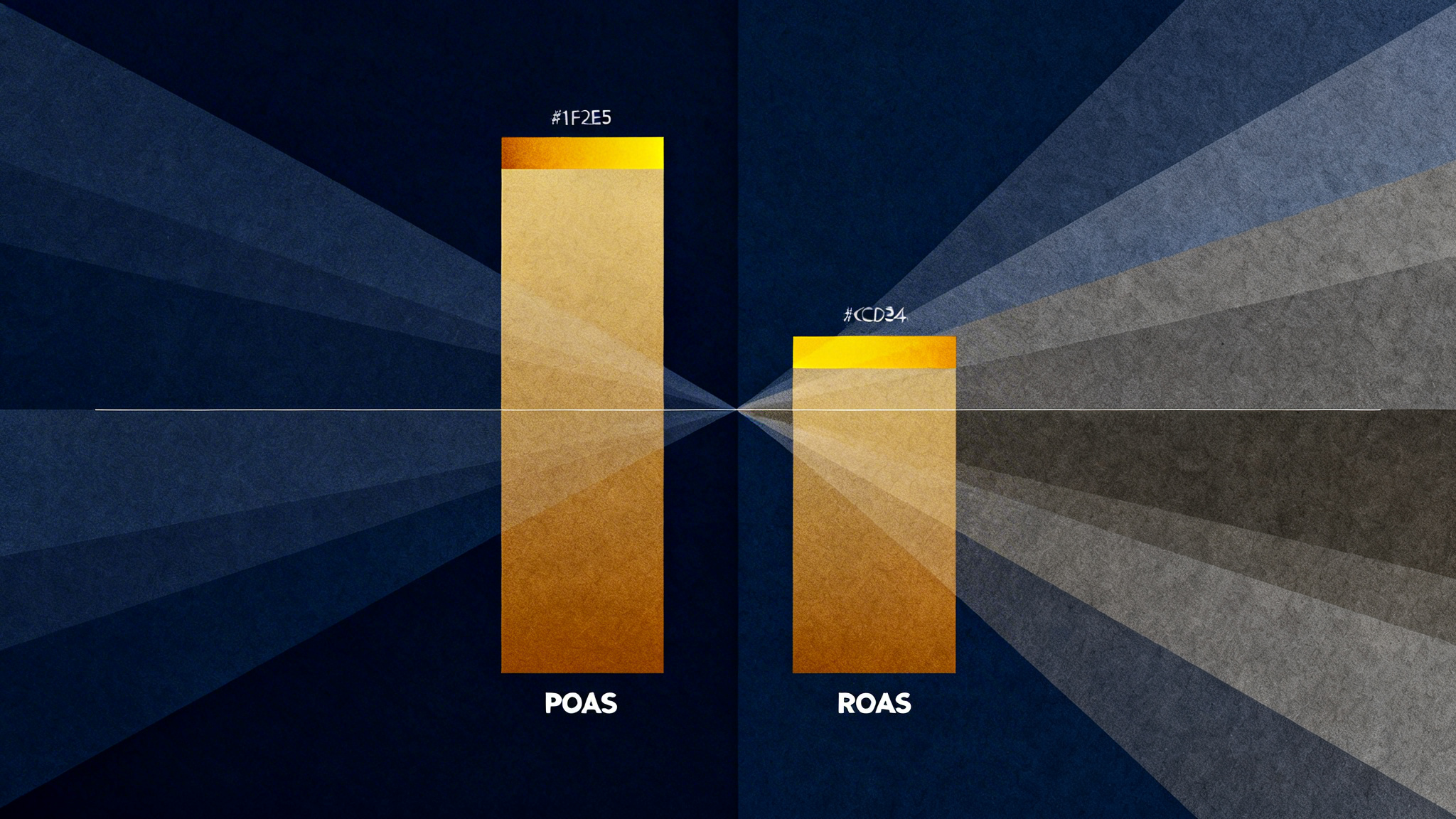
Your ROAS is climbing but profit is flat. The problem is the metric, not the campaign. How to calculate POAS and why it's the only metric that matters for profitability.

Search, Shopping, Performance Max, Display, YouTube. Five campaign types, five different logics. A practical guide with minimum budgets and real examples.

Month 1 is setup and calibration. Month 2 is optimization. Month 3 is scaling. The biggest mistakes happen when entrepreneurs judge Month 1 with Month 3 expectations.

Awareness, consideration, decision, retention. Each stage needs a different campaign type. The stores that win are those that cover the entire funnel.

Google captures existing demand. Meta creates new demand. Email monetizes what you've built. Three channels, different logics, one single objective, profitable sales.

Not portfolios and vague testimonials. Seven verifiable criteria for evaluating a Google Ads agency for eCommerce before you sign the contract.

Flat fee, percentage of spend, or hybrid model? What you actually get at each service level, how the fee ties to account size, and when each pricing model makes sense.

What to ask before signing with a performance marketing agency and how to recognize a good answer versus one that hides problems. With examples.

46% of Google searches have local intent. But not every campaign type fits every local business. A practical guide to choosing correctly.

The difference between generating calls and generating online bookings. When each is more effective and how to integrate campaigns with booking systems.

Not all calls are equal. How to separate qualified leads from spam, wrong numbers, or irrelevant requests - and how to optimize campaigns for quality, not volume.

Google Maps is the most underused local marketing channel. The combination of Google Business Profile + Maps Ads + reviews = maximum visibility in your area.

LinkedIn CPM runs several times above Meta, but that does not make it expensive. How to judge the cost of a B2B lead against the value of the contract it brings.

How to build a LinkedIn Ads campaign that delivers qualified leads, not just impressions. Account structure, objectives, audiences and formats explained concretely.

Lead Gen Forms, role-based targeting and post-capture nurturing. What produces qualified B2B leads on LinkedIn in Romania and what tactics don't deliver.

The global average is 1-3%, and Romanian online stores sit around 1.2-2.5% for completed orders, with large variations by sector, device and traffic source. The average alone tells you nothing actionable.

The product page is where the sale is won or lost. The elements that actually matter, in order of impact, with real A/B test data.

GA4 has all the data you need to identify where visitors drop off. The funnel reports, path exploration and segments that matter most.
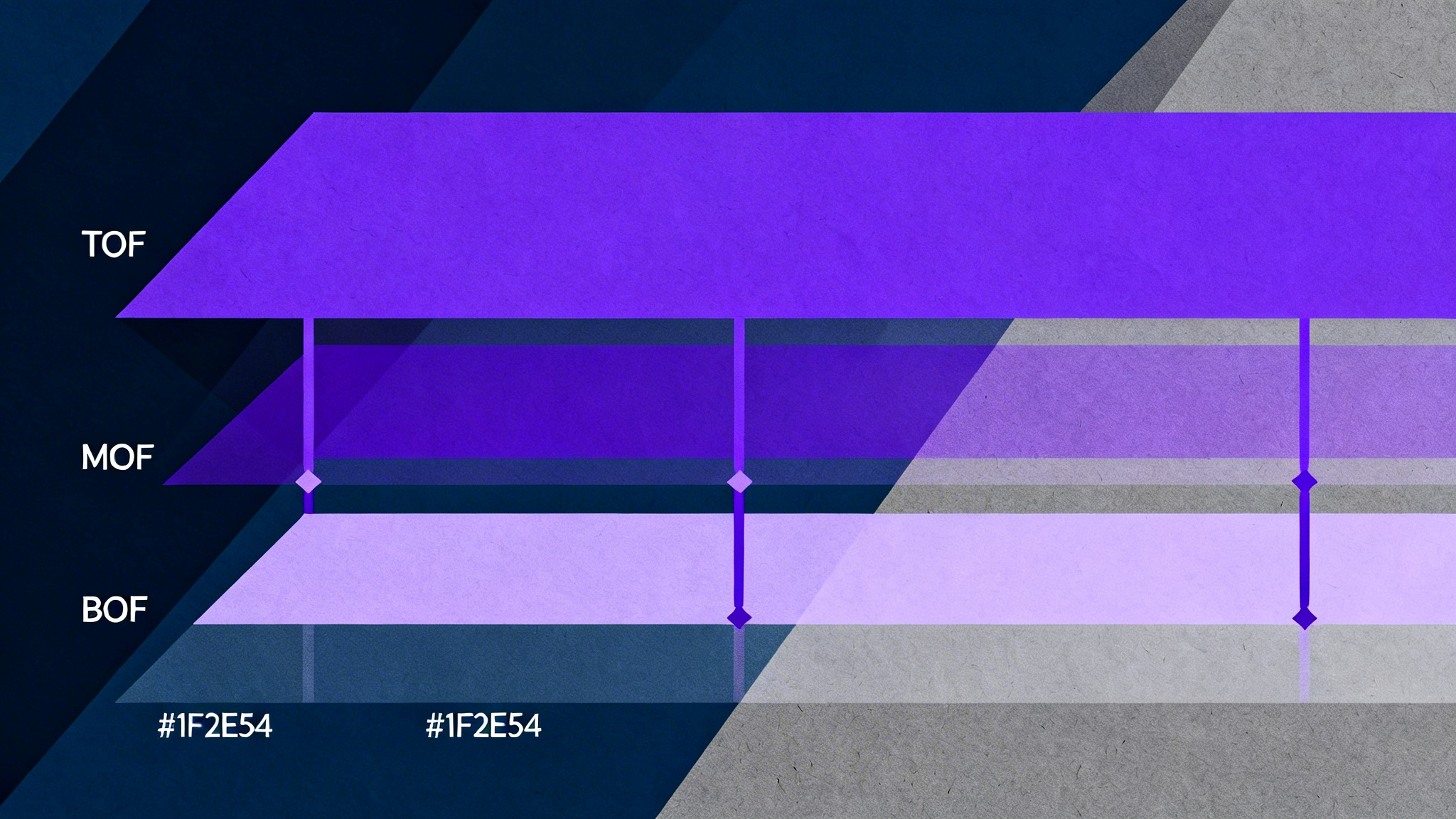
TOF, MOF, BOF is no longer enough. How to structure Meta Ads campaigns for an online store in 2026, with Advantage+ and without burning budget on the wrong audiences.

CPA through Meta Ads varies several-fold depending on niche, product and funnel quality. What drives it in the Romanian market and how to find your own number.

$10,000 per month in free Google Search ads for nonprofits. Eligibility conditions, the application process and how to get real results from the grant.

SaaS marketing works differently from eCommerce. Practical guide, which metrics matter, which channels work in Romania and how to avoid mistakes that burn budget without results.

Your product feed is the most important element in a Google Shopping account - more than bids or campaign structure. A practical guide for online store owners.

The three channels that bring an online store in Romania the most sales are Google Shopping for existing demand, Meta Ads to create new demand and email to monetize it, in that order. What budget each channel needs and how to allocate it.

A realistic combined monthly budget for Google Ads and Meta Ads for a Romanian online store has two parts, media spend plus campaign management. How it starts, how it scales, and how to calculate your own figure.

Per click, Facebook Ads is usually cheaper in Romania than Google Search, but the verdict depends on the goal, Facebook is cheaper at creating new demand, Google at capturing existing demand.

It brings four things the first month cannot, an account with history that bids more efficiently, accumulated conversion data, tested creatives, and a cost per acquisition that drops as the algorithm learns. Continuity beats starting from scratch.

Build a matrix of real buyer questions crossed with your categories, ask each one in ChatGPT, Perplexity and Google AI Overviews, then mark every answer as present, partial or absent. The pattern shows you where the problem is.

The cost has three components, the one-time audit, ongoing monthly optimization and brand authority work, and moves first with catalogue size. Worth it above 100 active products and with at least one competitor already visible in AI.

There is no single optimization. ChatGPT picks you on brand authority, Perplexity on fresh structured pages it cites in real time, and Google AI Overviews on the Merchant Center feed and product schema. Treat them the same and you lose two out of three.

What a click and an impression cost in Romania in 2026 depends on industry, season and ad quality. How to find your own numbers and why a market average misleads you.
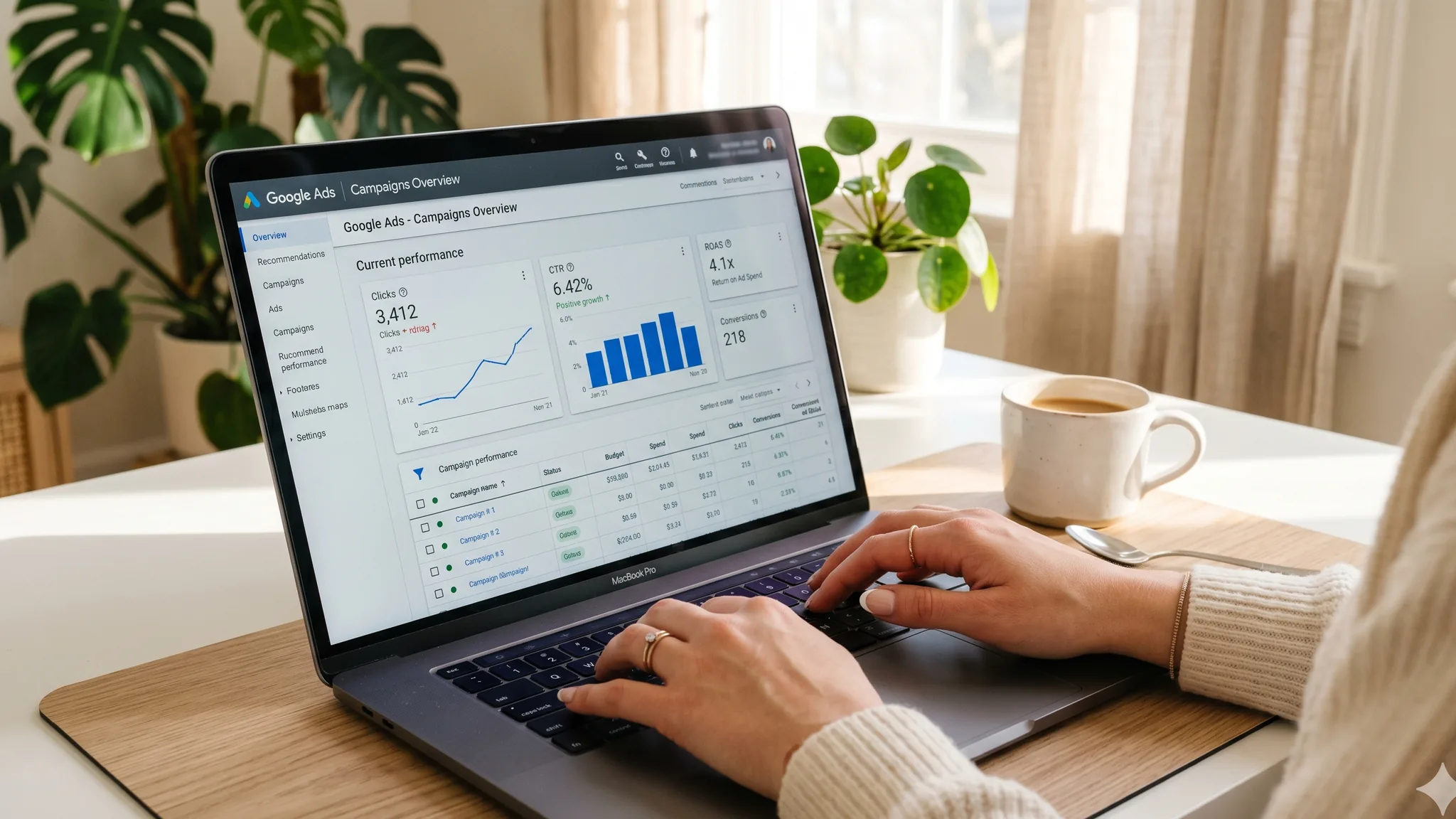
Break-even ROAS is calculated as 1 divided by your gross margin expressed as a decimal. At a 40% margin, the break-even point is a ROAS of 2.5, below it you lose money, above it you start to profit.

A realistic budget scales with catalog size and with the conversion volume automated bidding needs. Returns and seasonality, not platform ROAS, decide the profit.
TAM, SAM and SOM are the three circles that show your total market, what you can realistically serve, and what you can win in the next few years. A complete guide with formulas, a worked Romanian example, and data sources for the Romanian market.
Google is moving Local Services Ads into Google Ads as a pay-per-lead Performance Max campaign. What changes, when it reaches your market, and how to prepare.