The August 17 2026 Google Ads bidding change: your targets now bite
On August 17, Google changed bidding for budget-limited campaigns. Cost per sale now rises toward the target you set. What changed and what to do about it.
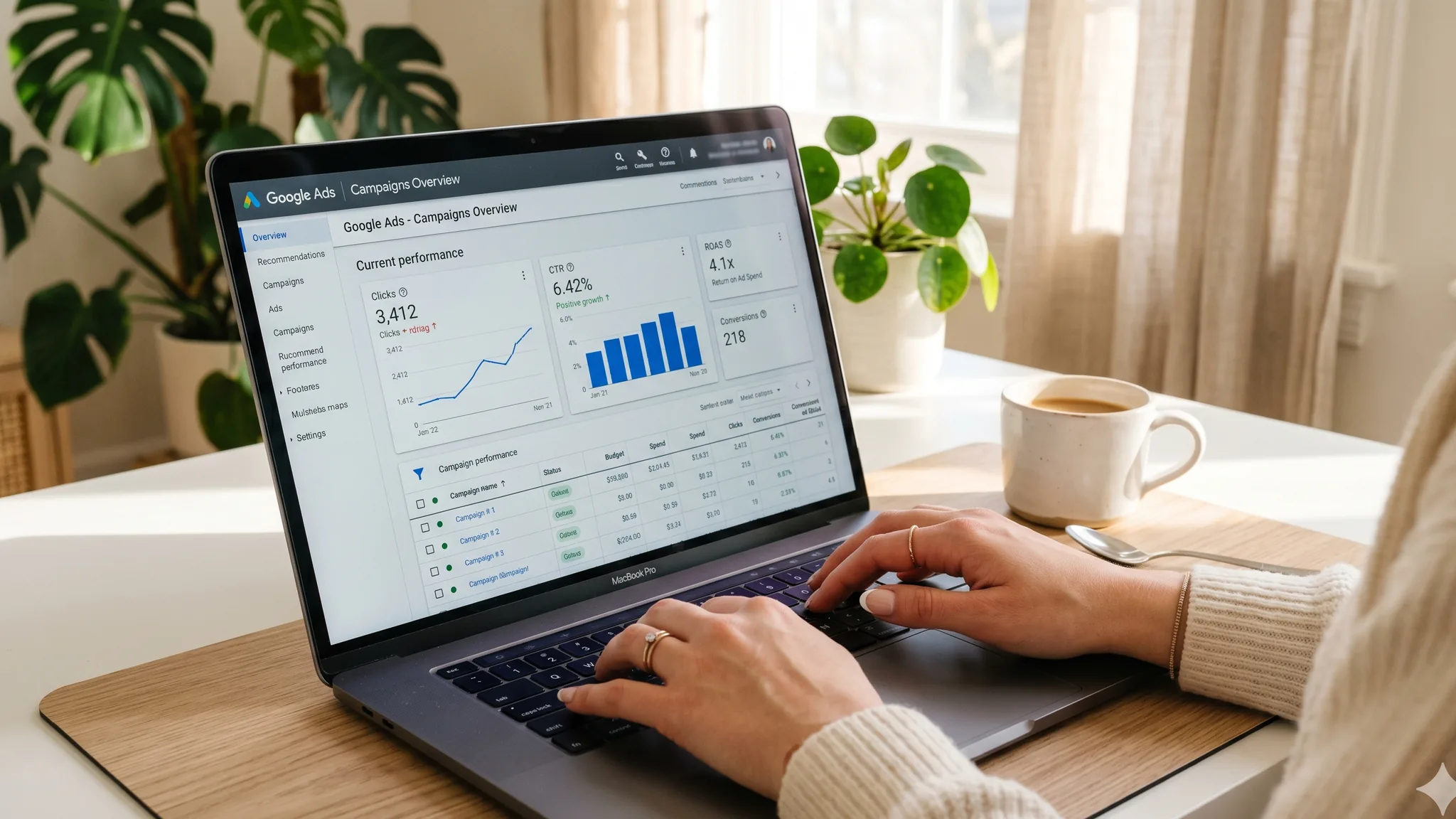
On August 17, ROAS dropped for many stores without anything breaking in the business
If you opened Google Ads on August 18 and saw a higher cost per sale or a lower return than the week before, you are not alone, and most likely nothing broke in your products, your site or your ads. The rule Google uses to report performance changed. On August 17, 2026, Google changed how bidding works for budget-limited campaigns that use Target CPA or Target ROAS.
In money terms, using Google's own published example: a campaign that was bringing conversions at roughly half the target you set will now deliver close to that target. At a fixed budget, a cost per sale that doubles means the same budget buys fewer sales. One practitioner summed up the effect on a real account: at the same daily spend, return on ad spend dropped from 5 to 3. The number in the account got worse. The business did not.
Your CPA might look worse on the 18th. Your business didn't get worse. The math did.
What changed exactly
Until August 17, a campaign with a limited-by-budget status on a target strategy often beat its target: you set a cost per acquisition, but you were really paying about half of it. It looked like excellent performance. From August 17, Google closes that gap and delivers more consistently toward the number you entered, including when you adjust the budget. The change applies to Search, Shopping, Performance Max and Demand Gen campaigns that use target-based strategies.
The target was meant as a ceiling: the most you are willing to pay for a conversion. When you were limited by budget, the algorithm quietly beat that ceiling. Now it treats it as a destination, not an upper limit. In practice, it enters the more expensive auctions it used to skip, up close to your target.
Why it was happening, in business terms
A budget-limited campaign cannot afford every profitable click, so Smart Bidding rations: it wins only the cheap conversions and stops when the daily budget runs out. That rationing pushes the real cost below target. The nice number was not your true performance, it was a side effect of the budget cap forcing the algorithm to be selective.
At a fixed budget, spend stays constant. The difference is that the same money now buys a different mix of conversions, including the more expensive ones. Average cost per conversion rises toward your target, and revenue at the same spend can fall. You may win a few extra conversions in the band between your old performance and the target, but you lose the artificially cheap average the cap was handing you. Nothing in the store changed on August 17, the accounting rule moved.
Here is the behavioural trap. A campaign that suddenly looks more expensive looks like a candidate to cut. But if you paused, on August 18, the very campaign that yesterday reported the best cost, you would be cutting a campaign that did not break, only got recalibrated. The right move is not the reflex to pause, but to check what number you actually told Google.
Who gets hit and the trap of forgotten targets
The affected population is simple: campaigns with a limited-by-budget status on Target CPA or Target ROAS. Optmyzr describes the trigger as budget-driven lost impression share above 5% over the last 30 days. That is a useful practitioner reading, not an official threshold published by Google, so treat the percentage as a signpost, not a rule. For Romanian e-commerce on small budgets, limited-by-budget is more the rule than the exception, especially in seasonal peaks, so the change lands on exactly the accounts that thought they were doing great.
The real trap is targets left loose to give Smart Bidding room to explore. A Target ROAS of 300% when you really need 600%, or a Target CPA three times your true cost per conversion, are now the operative number. Google reads that slack as permission to spend up to there. The target you set carelessly two years ago and forgot is the number the campaign converges to from August 17. If you sell across several countries with one campaign per market, check each one separately, because the budget status is calculated independently.
What to do about it
This is not a panic emergency, but it is a decision no one makes for you. Google does not adjust your targets automatically. Four steps, in order of impact:
Find the campaigns that got hit
Open the Bid Target Adjustment Tool, live in your account since July 6, 2026, which flags accounts that were budget-limited in the last 12 months. Compare real performance with the target you set over the last 30 days. Where real is much better than target, you have a decision to make.
Lock in the efficiency you had
If the performance you actually had, the cost per conversion or the ROAS, was your good number, move the target there: lower Target CPA to the cost you were really getting, or raise Target ROAS to the return you already had. Delivery converges to the good number, not the loose one you once left for exploration.
Or buy volume on purpose
If the extra spend in the more expensive band is profitable for you, keep the target and raise the budget until the limited-by-budget status clears. Now you pay the real target, but knowingly, in exchange for more conversions. That is a valid choice, as long as you make it on data, not out of inertia.
Don't accept the in-account suggestion blindly
Google offers to apply your 28-day average as the target. That freezes what the budget cap produced, not necessarily what you need to be profitable. The right target is calculated from your margin, not from the recent average of an account that was capped anyway.
The target is no longer a formality, it's a promise in both directions
The takeaway: until now, the target was a ceiling that budget-limited campaigns quietly beat. From August 17, it is a number the system actively delivers to. That makes your minimum profitable ROAS threshold matter more than ever. If you don't calculate it from your real margin, you let Google pick a number for you that can be far from profit. And if you measure return on revenue instead of profit, you risk optimising toward the wrong target, a discussion we covered in POAS versus ROAS.
Reviewing targets on budget-limited accounts, deciding between locking in efficiency and buying volume, and recalculating the target from real margin are exactly the kind of work a team like DAFE Digital does for online stores, so bidding works toward a profit-linked number rather than one set on reflex. How the algorithm uses those targets is detailed in the Smart Bidding guide for Google Ads.
Sources
- Google Ads Help, Changes to target based bid strategies (the August 17, 2026 date, the official example where the target was being delivered at roughly half, and the Bid Target Adjustment Tool).
- Google Ads Help, Frequently asked questions about changes to Target-based bid strategies.
- Search Engine Roundtable, Google Ads Changes With Bidding For Campaigns Limited By Budget.
- Optmyzr, Google's August 17 bidding change: what advertisers need to do now (the description of the 5% budget-lost impression share trigger).
Frequently asked questions
What changed in Google Ads on August 17, 2026?
Google changed how budget-limited campaigns using Target CPA or Target ROAS bid. Until then, these campaigns often beat the target you set, for example delivering conversions at roughly half of it. From August 17, Google delivers more consistently toward the number you entered, including after budget adjustments. The change applies to Search, Shopping, Performance Max and Demand Gen.
Why did my CPA rise or my ROAS drop after August 17?
Most likely nothing broke in your products or ads. If you had a budget-limited campaign beating its target, the budget cap forced it to win only cheap conversions, which kept the cost artificially below target. With the change, Google delivers toward the target you set, so the reported number rises toward it. The accounting rule moved, not the real performance of the business.
Which campaigns are affected by the change?
Those with a limited-by-budget status that use a target-based strategy: Target CPA or Target ROAS, on Search, Shopping, Performance Max and Demand Gen. Campaigns that are not budget-limited or don't use Target CPA/ROAS are not directly affected. If you sell across several countries with one campaign per market, check the budget status for each separately, because it is calculated independently.
What should I do now?
Open the Bid Target Adjustment Tool, live in your account since July 6, 2026, and compare real performance with the target you set on budget-limited campaigns. Then decide: either lock in efficiency by moving the target to real performance (lower CPA or raise ROAS), or buy volume on purpose by raising the budget until the budget status clears. Google does not adjust targets automatically, so the decision stays with you.
Should I pause a campaign that suddenly looks more expensive?
Not automatically. A campaign that reported the best cost before August 17 and now looks more expensive was recalibrated, not broken. The reflex to pause it can cut the very campaign that was bringing good sales. First check what target you actually set and whether the earlier real number is the one you want. Only then decide, on data, not on a figure that moved overnight.
If you run budget-limited campaigns on Target CPA or ROAS, the August 17 change moved your numbers without telling anyone.
We review the targets on budget-limited accounts, decide between locking in efficiency and buying volume, and recalculate the target from your real margin, so bidding works toward profit. Send us a request and we'll look at the affected campaigns together.

Adela Mincea
Fondatoare și strateg în marketing de performanță · DAFE Digital · Formator ANC
Adela is a founder and performance marketing strategist with 10+ years of paid media across Europe, the US and Asia. She founded DAFE Digital in 2023 after agency roles in London and Hong Kong, in-house work inside client organisations, and independent consulting across 27+ industries.